Data minimization strategy: The foundation of scalable AI
10 min read


Less data, fewer problems. Minimization isn't just about compliance, it helps you:
- Spend less on storage
- Lower security risks
- Let engineers focus on high-impact work
- Get quicker access to daily info
Use this guide to build a plan that saves money and keeps your data safe with an effective data minimization strategy.
Why a data minimization strategy is essential for cost reduction
Storing lots of data is a huge expense. When you add backups, maintenance, and the work required to manage all that data, the total rises quickly.
And, storing extra data creates bigger security and compliance risks. In 2025, the average price tag for a data breach was $4.44 million. This number varies by industry, but healthcare companies paid even more, around $7.42 million for each breach. Every extra record becomes another vulnerability.
- Focusing only on the data you need helps you reduce these risks and costs.
- Deleting old or duplicate data lowers storage costs, makes data breaches less painful, and speeds up and simplifies compliance work.
- Research shows companies save about 57% on data storage costs by optimizing and removing unnecessary data.
The first step is identifying what unnecessary data your organization has.
Identifying redundant or obsolete data
You can't get rid of data you don't know you have. Start with a full list of your personal data, including where it lives, who's using it, and how it's stored. Check your databases, SaaS apps, files, and any unstructured data, such as PDFs or logs.
- Find data that's out of date, like records older than your retention rules allow
- Look for duplicates across systems
- Flag data owned by closed accounts or finished contracts
- Review test systems that copy your main data
- Don't forget systems employees built without asking IT
For every data type, ask these questions:
- Do we still use this?
- Does it help our current business?
- Have we reviewed this lately?
- Is it correct and up to date?
These answers show you what's really needed.
Manual spreadsheets take forever and are often wrong by the time you're finished. Modern automated tools scan everything for you, constantly, so you always know what's out there.
Once you know what you have, you can start being proactive with your data retention.
Establish clear retention policies
Retention policies make sure you don't keep data forever. These rules say how long you retain each kind of data and when you delete it. The rules should fit your business needs, the law, and your risk level.
Sort your data by its purpose and sensitivity. For example:
- You might keep customer sales records for 7 years for tax purposes
- Marketing stats could be stored for only 18 months
- Support tickets might be deleted after you solve the issue and wait for a short follow-up
Write your retention times down. List every category, how long you'll keep it, the reason why, and how it'll be deleted. Check this list once a year to see if anything has changed.
Use automation to delete things on schedule. Automated systems delete stuff right on time, without more work for your employees.
Building effective data minimization processes
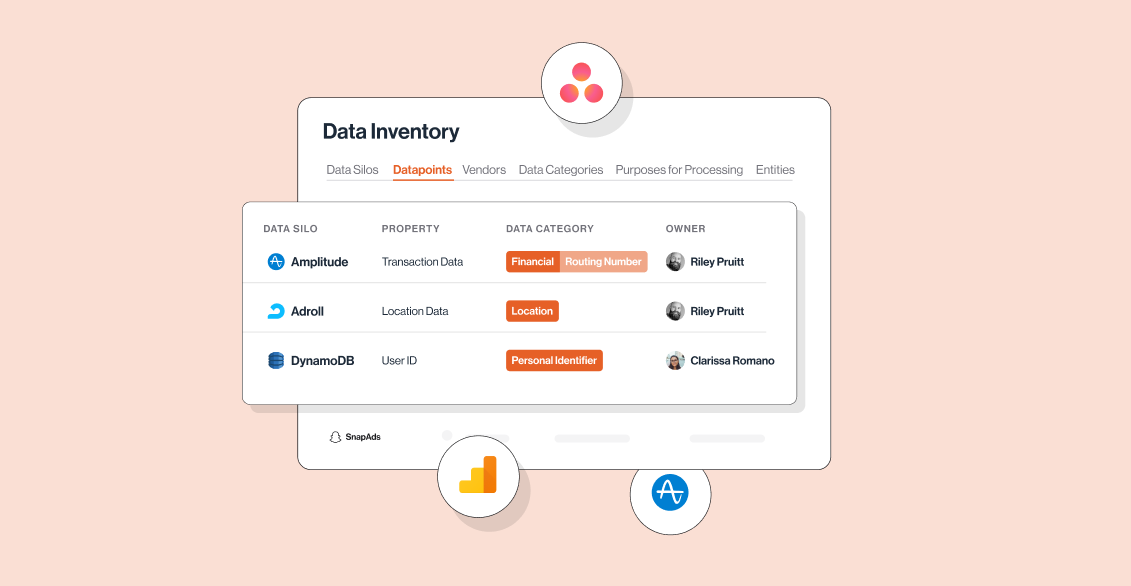
You have to understand your data before you can minimize it. Know what personal data your company collects. Ask why you need it, how you'll use it, and how long you'll store it. A full data inventory gives you these answers and supports all your other compliance work.
Design your forms and workflows to collect only what you need. Replace open text boxes with dropdowns or checkboxes. This limits messy, hard-to-track info. Consider using anonymous or group-level data instead of personal data when possible.
Check your data regularly, at least every three or six months. Make sure you're following your rules on how long to keep data and how to delete it. Look for new types of data that have popped up since your last check.
Leverage automation tools
Automated data pipelines keep information fresh by continuously checking, updating, and deleting data when it's no longer needed. Platforms that integrate across your entire stack save you from building custom scripts for every app. One solution handles search, tagging, and deletion everywhere, keeping your engineers focused and ensuring your minimization rules apply consistently.
The best tools log every deletion. When auditors ask, you can prove compliance and refine your process over time.
Implementing a data minimization strategy with Transcend
Transcend builds the systems you need to run minimization at enterprise scale. The platform finds and tags all your data—databases, SaaS tools, documents—so you always know what you have. Transcend keeps your data map up to date without surveys or spreadsheets.
- System Discovery automatically reveals where personal data lives, as well as how third-party vendors govern data and utilize AI, giving organizations visibility and control over their systems.
- Structured Discovery finds and classifies data down to the column level, all without manual work or traditional heavy deployments.
- Unstructured Discovery enables your company to automatically find and govern sensitive data across PDFs, text logs, and other unstructured formats to effectively manage risk and meet compliance.
Plus, powerful tools like DSR Automation executes privacy rights workflows such as access, deletion, opt-outs, and more directly where data lives within your tech stack—locating and managing customer data across both systems and datasets so you can confidently honor every user choice. Handle deletion requests in minutes, not hours, and nobody has to do it by hand.
Transcend customers have saved $960 million in compliance costs by using automation. They spend 70% less time on manual work and process more than 15 billion data rights operations worldwide.
Unifying consent and permissions
Minimization doesn't just mean deleting old data. You also have to respect users' choices about how their data is used. Transcend Preference Management lets you collect, store, and honor user preferences, from privacy to how AI uses their information.
This keeps user data out of ad platforms, personalization tools, and AI tools if the user said no. When someone changes their mind, their update goes to every connected system right away.
Following user choices in real time lowers risks and builds trust. People see you respect their choices on every product.
Reducing engineering burden
Manual data rules are a huge drain. Custom code breaks as soon as your tech stack changes. Extra integrations mean extra headaches. Spreadsheets never stay current.
Transcend handles integrations for hundreds of data systems. Our team keeps the integrations working, so your engineers don't have to. Automated workflows delete data and update permissions with no manual steps.
- You can cut privacy request costs by up to 80% with Transcend
- Engineers spend more time building features, not fixing compliance
- Your privacy program scales without hiring new staff
Streamline your data minimization strategy
When you put minimization first, you keep storage costs low, stop breaches, save time on compliance, and help your engineers work smarter. You'll always know what data you have and find what you need faster.
- Start with a full inventory.
- Set retention rules for every data type.
- Automate deleting and tracking choices.
- Check your process often and update as you grow.
Leading companies treat data minimization strategy as part of their core infrastructure, not just a cleanup project. They put tools in place to track and control data at all times. They honor user choices right away and never have to worry about keeping records for audits.
If you're ready for a better data minimization plan, schedule a demo with Transcend. See how automated discovery, permission management, and fast DSR Automation can save you money, lower your risk, and help your team focus on what matters most.


January 29, 2026